
Virtual tours have become a standard part of the home search, and it's easy to see why. With a few clicks, buyers can walk through a kitchen, check out the layout of a barn, or get a feel for the acreage from the comfort of their couch. For rural property in Missouri, though, a virtual tour only tells part of the story, and understanding what it misses can save buyers from making an offer on a property that doesn't actually fit their needs.
What a Virtual Tour Does Well
There's real value in a good virtual tour. It gives buyers a quick sense of a home's layout, finishes, and overall condition without spending a full day driving between properties. For out-of-state buyers or those relocating to Dent County from a busy urban area, this is often the first impression that determines whether a property is worth a closer look. A well-shot video or 3D walkthrough can highlight updated kitchens, spacious living areas, or a home's overall character in a way that photos alone can't always capture.
What a Virtual Tour Can't Tell You
Once you move beyond the walls of the house, though, a screen starts to fall short in important ways.
Terrain and topography. A drone shot of 40 acres might look flat and usable on camera, but standing on the property often reveals steep grades, low-lying wet areas, or rock outcroppings that aren't obvious from an aerial angle. In the Ozark foothills around Salem, this kind of terrain variation is common, and it can significantly affect what a property is actually good for, whether that's building a home, running cattle, or planting food plots.
Water sources and drainage. Ponds, springs, creeks, and seasonal drainage patterns rarely translate well on video. Buyers often need to see how water moves across a property after a rain, or check whether a pond actually holds water year-round, something no virtual tour can replicate.
Soil and land quality. No camera can tell you what the soil is actually like underfoot, whether it drains well, holds moisture, or supports the kind of pasture or crop production a buyer has in mind. This usually requires a soil survey and, ideally, a walk across the ground itself.
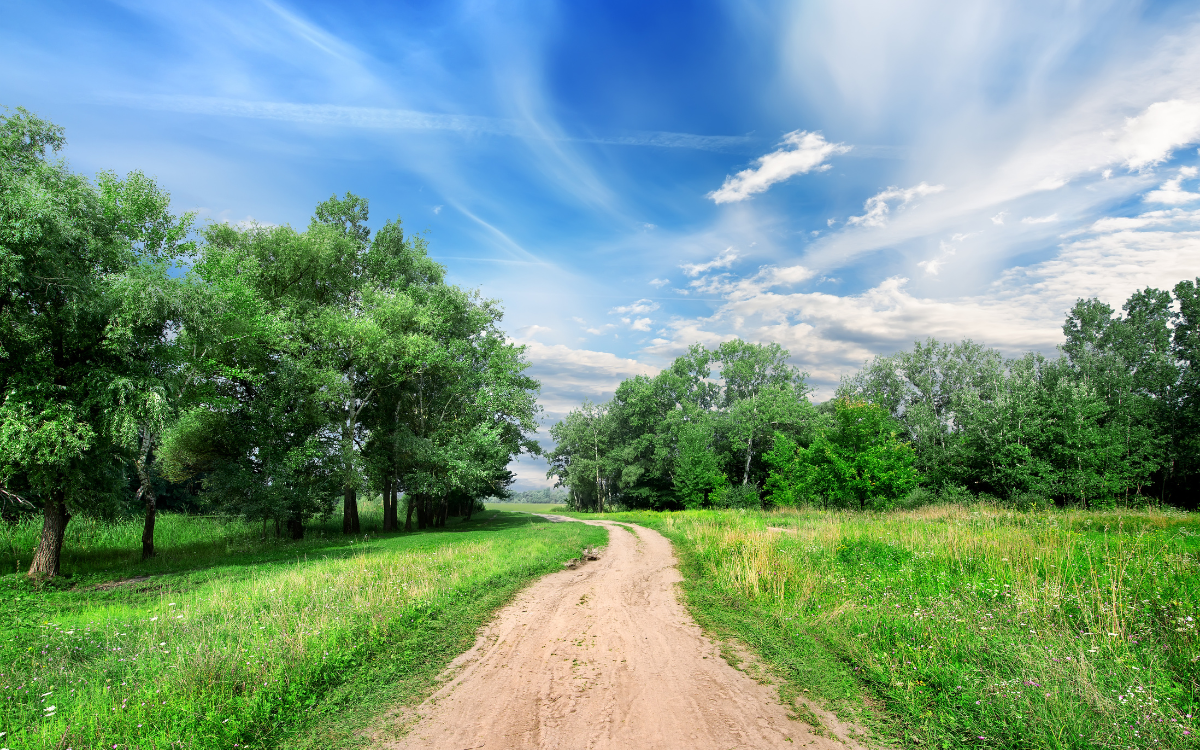
Access and road conditions. A driveway that looks fine in a photo might be a steep, rutted, or seasonal access road that becomes difficult to navigate in winter weather. Buyers relocating from areas with well-maintained infrastructure are sometimes surprised by what rural road access actually looks like in practice.
The feel of the property. Perhaps most importantly, a virtual tour can't capture the quiet of a property at sunset, the sound of a nearby creek, or how far away the nearest neighbor really feels. These are often the details that make or break whether a rural property feels like home.
Why Local Expertise Matters
This is where working with an agent who knows the area firsthand becomes invaluable. A local agent doesn't just show a property, they can point out which fields tend to hold water after a heavy rain, which roads become difficult in the winter months, or where the property line actually sits in relation to a neighboring farm. This kind of on-the-ground knowledge simply can't be replicated by a listing video, no matter how well it's produced.
For buyers considering rural land in and around Salem, Missouri, pairing a virtual tour with an in-person visit and the guidance of a local agent is the best way to make sure a property truly fits your goals, whether that's building a homestead, running livestock, or finding recreational hunting ground.
The Bottom Line
Virtual tours are a great starting point, but they were never meant to replace boots on the ground. Before making an offer on rural property in Missouri, take the time to walk the land yourself, and lean on an agent who knows the area's terrain, water, and access realities firsthand. It's a step that can save you from costly surprises down the road, and help you find a property that truly feels right the moment you step onto it.